The site is working in test mode!
12 August, 2026   |   29 Ṣafar, 1448

Tashkent city
Fajr
03:59
Sunrise
05:29
Dhuhr
12:28
Asr
17:23
Maghrib
19:31
Isha
20:58
Bismillah
12 August, 2026, 29 Ṣafar, 1448

First Place In Antarctica Where Salah Was Performed: Jinnah Antarctic Station

16.10.2025   71804   1 min.

First Place In Antarctica Where Salah Was Performed: Jinnah Antarctic Station

Jinnah Antarctic Research Station, operational since 1991, emerges as likely site of inaugural salah in Antarctica amid Pakistan’s polar scientific missions.

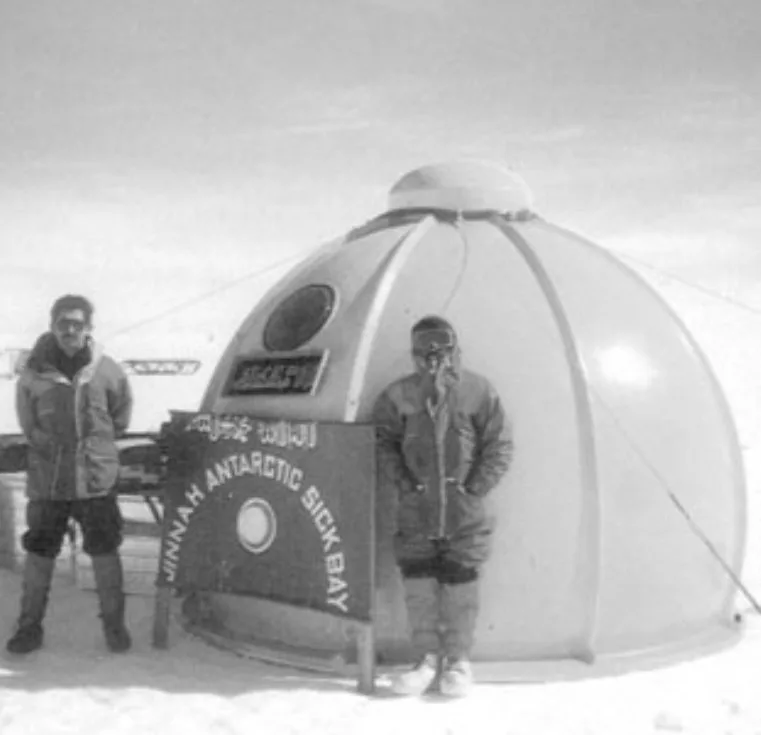
The Jinnah Antarctic Station, Pakistan’s permanent research facility established in 1991, is recognized as the first confirmed location where Islamic prayers (salah) were performed on the Antarctic continent.

Situated in the East Antarctic region, the station has served as a scientific and logistical base for decades.
jinnah antarctic

Operated by Pakistan’s National Institute of Oceanography, the station conducts year-round studies in glaciology, marine biology, and climate science.

Since its inauguration, Muslim members of winter-over teams have maintained prayer routines within designated spaces at the base, despite extreme cold, months-long darkness, and isolation.

While informal worship likely occurred earlier during transient expeditions, documented communal prayers began with the station’s continuous operation.

jinnah antarctic station unit

A small musallah (prayer area) was established inside the main living module, oriented toward Mecca using calculated qibla directions specific to the Antarctic region.

Antarctic Treaty protocols respect all forms of religious observance across research stations. The Government of Pakistan confirmed the station remains active today, with ongoing research and religious accommodation for personnel.

The station is named for Muhammad Ali Jinnah, founder of Pakistan.

Other posts
News

Şeyda Sağlam: Samarkand reflects grandeur, while Bukhara speaks to the human spirit

17.07.2026   55010   2 min.
Şeyda Sağlam: Samarkand reflects grandeur, while Bukhara speaks to the human spirit

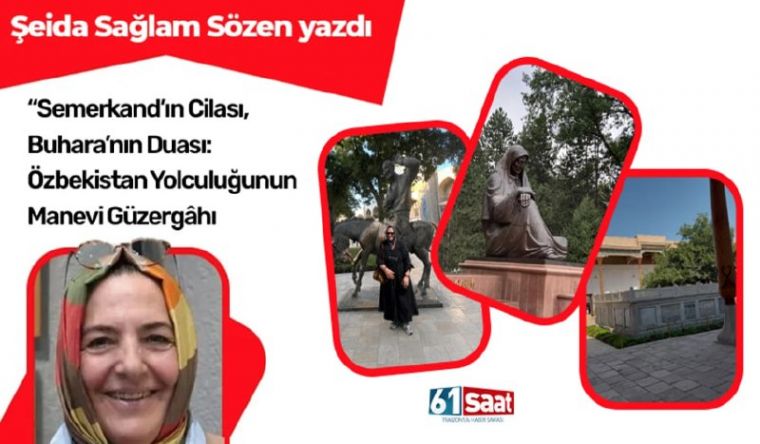
Turkish art historian and researcher Şeyda Sağlam published an article on the popular website “61 Saat” about the potential of Uzbekistan in the sphere of pilgrimage tourism, in which she shared her impressions of a trip through the historical cities of the country, reports Dunyo IA.

In the article “The Polish of Samarkand, The Prayer of Bukhara: The Spiritual Route of the Journey to Uzbekistan”, author noted that the journey through Tashkent, Samarkand, Bukhara and Khiva became for her not just a visit to cities, but an acquaintance with the historical and spiritual centers of the region.

According to the researcher, Samarkand impresses with its architectural heritage, Registan Square, Amir Temur Mausoleum, Bibi-Khanym Mosque, Shah-i-Zinda complex and the heritage of the scholar Imam Maturidi. She emphasized that the city reflects the grandeur of ancient civilizations and the role of science in the history of Central Asia.

Şeyda Sağlam paid special attention to Bukhara, noting its spiritual atmosphere and significance as one of the centers of Islamic culture. Among the places that made an impression on her, she named the Kalyan Minaret, the Ismail Samani Mausoleum, the Bahauddin Naqshband complex and the Ark Citadel.

“Samarkand is a city of outward grandeur, while Bukhara speaks to the human spirit”, the researcher noted.

Article became another publication in the Turkish media aimed at promoting the tourism potential of Uzbekistan, in particular, its opportunities in the sphere of cultural and pilgrimage tourism.