First Place In Antarctica Where Salah Was Performed: Jinnah Antarctic Station
16.10.2025
71986
1 min.
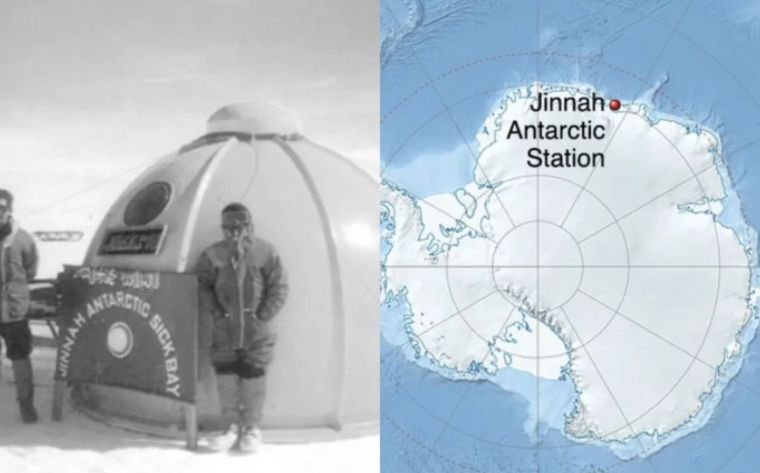
Jinnah Antarctic Research Station, operational since 1991, emerges as likely site of inaugural salah in Antarctica amid Pakistan’s polar scientific missions.
The Jinnah Antarctic Station, Pakistan’s permanent research facility established in 1991, is recognized as the first confirmed location where Islamic prayers (salah) were performed on the Antarctic continent.
Situated in the East Antarctic region, the station has served as a scientific and logistical base for decades.
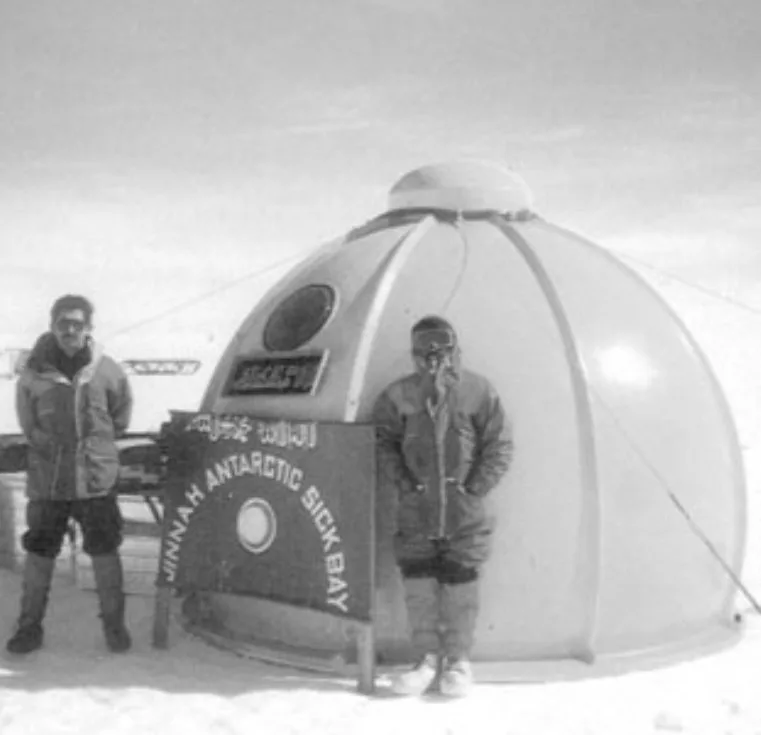
Operated by Pakistan’s National Institute of Oceanography, the station conducts year-round studies in glaciology, marine biology, and climate science.
Since its inauguration, Muslim members of winter-over teams have maintained prayer routines within designated spaces at the base, despite extreme cold, months-long darkness, and isolation.
While informal worship likely occurred earlier during transient expeditions, documented communal prayers began with the station’s continuous operation.
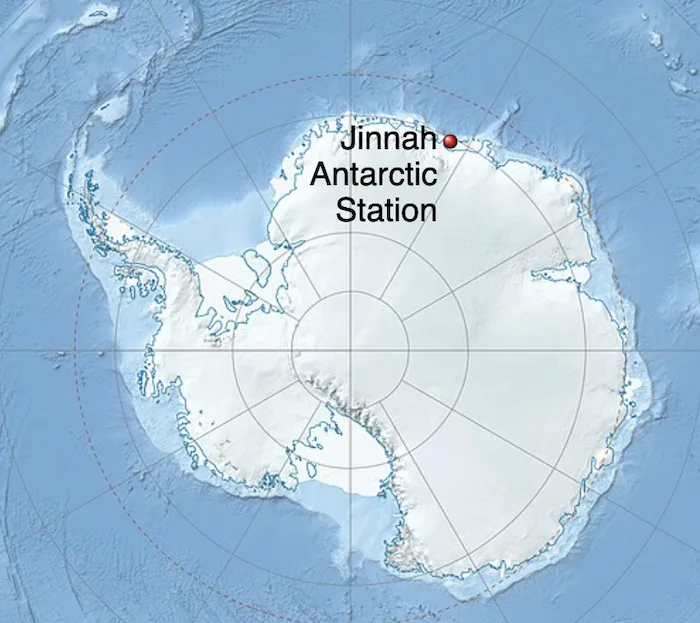
A small musallah (prayer area) was established inside the main living module, oriented toward Mecca using calculated qibla directions specific to the Antarctic region.
Antarctic Treaty protocols respect all forms of religious observance across research stations. The Government of Pakistan confirmed the station remains active today, with ongoing research and religious accommodation for personnel.
The station is named for Muhammad Ali Jinnah, founder of Pakistan.
SHARE INFORMATION ON SOCIAL NETWORKS



 Iman
Iman  Prayer
  Fasting
  Zakat
Zakat  Haj
Haj  Qur`an
  Lessons of Islam
  Contact