First Place In Antarctica Where Salah Was Performed: Jinnah Antarctic Station
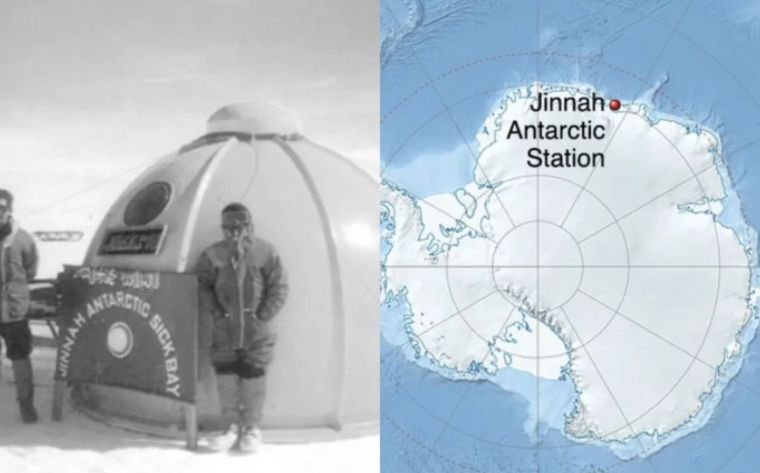
Jinnah Antarctic Research Station, operational since 1991, emerges as likely site of inaugural salah in Antarctica amid Pakistan’s polar scientific missions.
The Jinnah Antarctic Station, Pakistan’s permanent research facility established in 1991, is recognized as the first confirmed location where Islamic prayers (salah) were performed on the Antarctic continent.
Situated in the East Antarctic region, the station has served as a scientific and logistical base for decades.
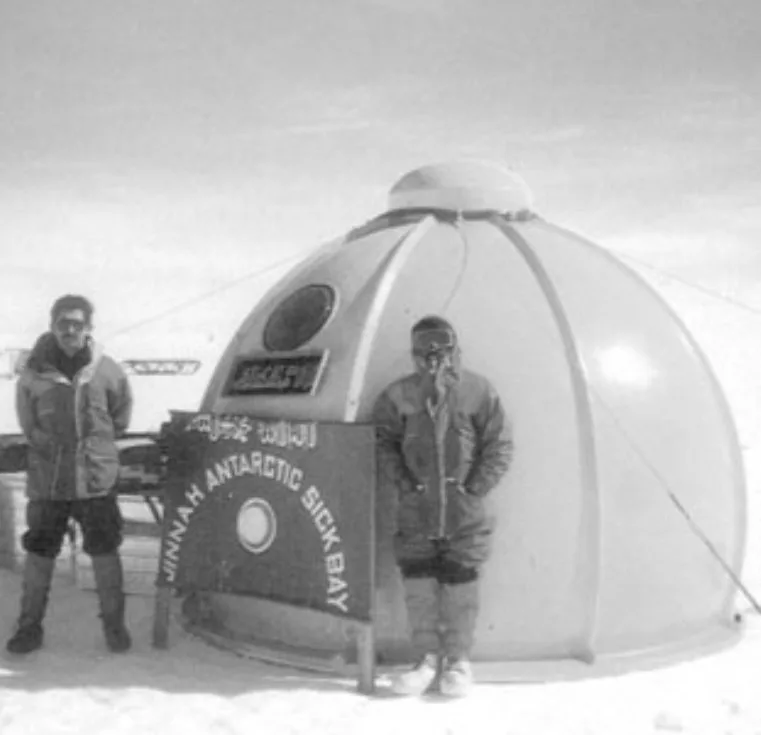
Operated by Pakistan’s National Institute of Oceanography, the station conducts year-round studies in glaciology, marine biology, and climate science.
Since its inauguration, Muslim members of winter-over teams have maintained prayer routines within designated spaces at the base, despite extreme cold, months-long darkness, and isolation.
While informal worship likely occurred earlier during transient expeditions, documented communal prayers began with the station’s continuous operation.
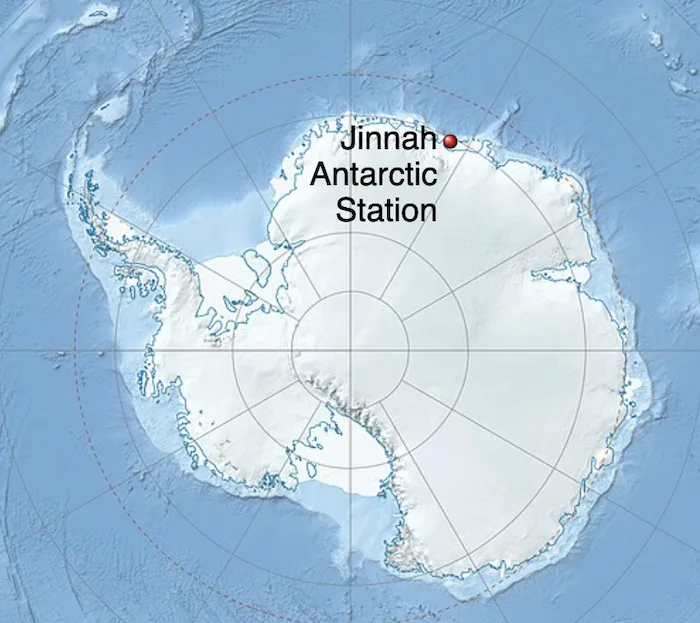
A small musallah (prayer area) was established inside the main living module, oriented toward Mecca using calculated qibla directions specific to the Antarctic region.
Antarctic Treaty protocols respect all forms of religious observance across research stations. The Government of Pakistan confirmed the station remains active today, with ongoing research and religious accommodation for personnel.
The station is named for Muhammad Ali Jinnah, founder of Pakistan.
Saudi Arabia Shortens Umrah Visa Validity to One Month
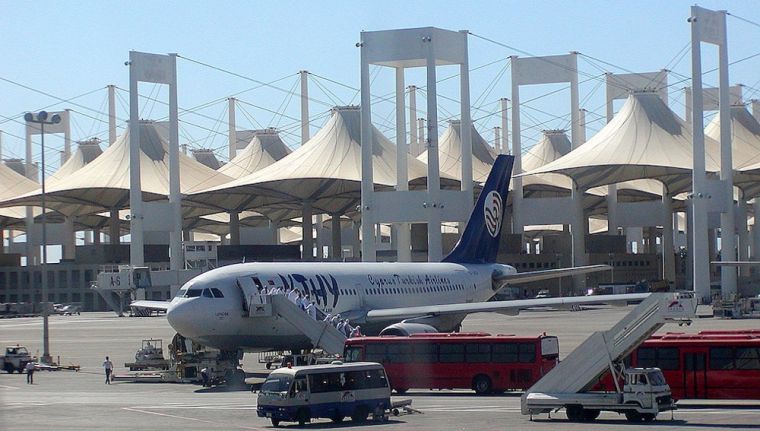
Umrah entry visas now valid for one month instead of three from issuance date.
Saudi Arabia’s Ministry of Hajj and Umrah has reduced the validity period for Umrah entry visas from three months to one month from issuance date, though the permitted stay duration remains unchanged at three months after arrival.
The new regulations take effect next week (November 1, 2025) amid a record-breaking Umrah season that has already seen over four million visas issued to foreign pilgrims.
Under the updated system, Umrah visas will automatically cancel if pilgrims fail to enter Saudi Arabia within 30 days of issuance.
The three-month allowance for staying in the Kingdom after arrival remains unaffected, preserving pilgrims’ flexibility once they enter the country.
Ahmed Bajaeifer, advisor at the National Committee for Umrah and Visit, confirmed the changes to prepare for expected pilgrim increases following summer’s end and cooler temperatures in Mecca and Medina.
The current Umrah season, beginning in early June, has achieved unprecedented numbers with four million foreign pilgrims arriving within just five months. This volume surpasses previous full-season totals, demonstrating growing global demand for Umrah pilgrimage opportunities.