News
Mohammed Said Amur Al-Hajri: Uzbekistan is a shining example of a modern presentation of historical heritage using advanced technologies
22.07.2026
46269
2 min.

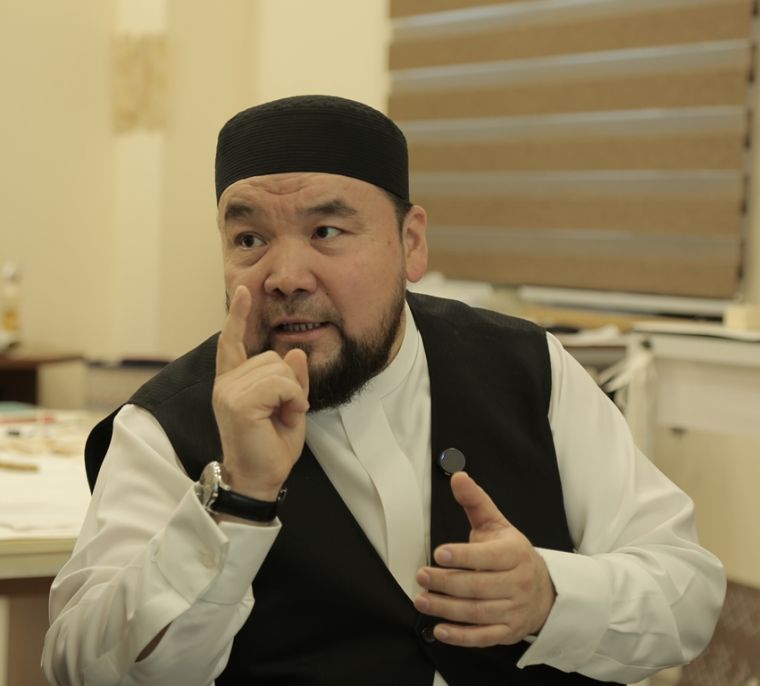
Dr. Mohammed Said Amur Al-Hajri, a member of the State Council of Oman (Senator) and a participant in the 1st International Forum of Islamic Civilization “The Path of Peace, tolerance and enlightenment” held on July 7–11 this year in cooperation with ICESCO, shared his impressions of the forum on his “X” social media page, reports Dunyo IA.
According to the Senator, International Forum, which brought together religious figures, scholars, researchers, thinkers, and experts from 80 countries, served as an important platform for strengthening inter-civilizational dialogue and promoting the ideas of tolerance and enlightenment.
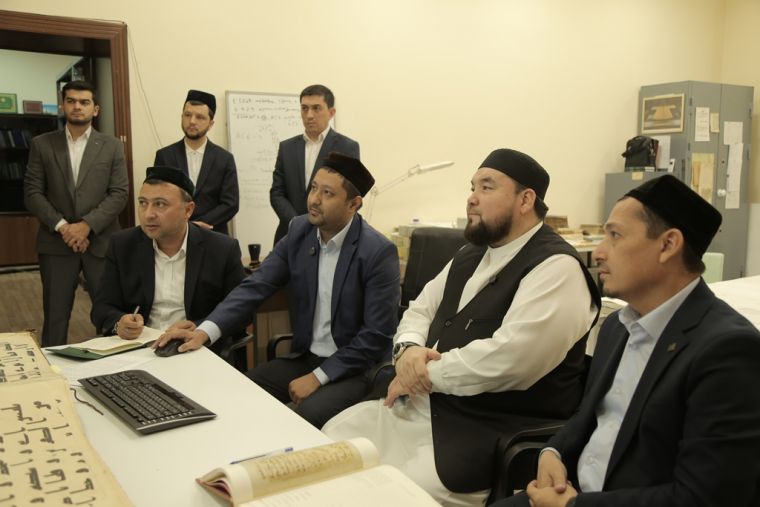
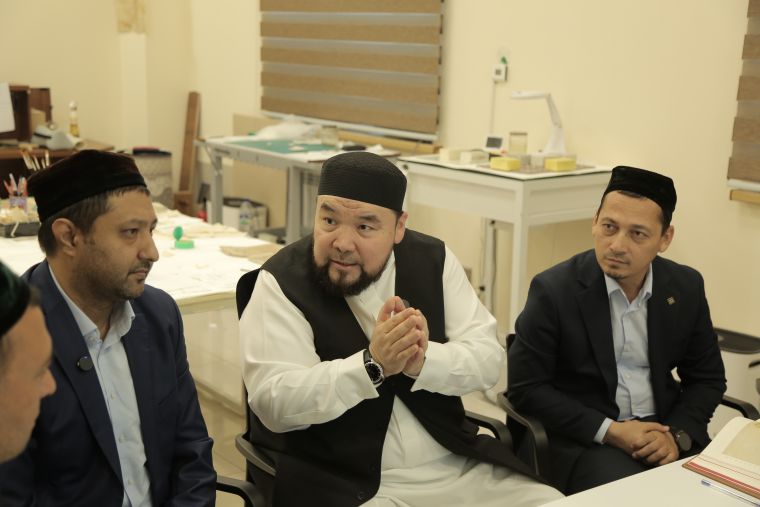
High-ranking official from Oman noted that during the forum, he had the opportunity to familiarize himself with Uzbekistan's experience in the modern presentation of Islamic civilization heritage. In his view, the Center of Islamic Civilization in Tashkent, along with the scientific and educational complexes in Samarkand and Termez, are shining examples of how the rich heritage of great ancestors can be effectively transmitted to new generations, presenting history in an engaging and accessible format using modern technologies.
Furthermore, Dr. Mohammed Al-Hajri stated that in his report titled “Intellectual potential of Islamic Civilization: Historical experience and its examples”, presented within the framework of the forum, he paid special attention to the experience of the First and Second Renaissances in Uzbekistan. He characterized the Center of Islamic Civilization in Tashkent as a practical embodiment of a wise approach aimed at strengthening national development and nationwide unity.
“I was particularly pleased by the respect shown to Oman, its history, culture, and policy based on the principles of tolerance. Cultural cooperation between Uzbekistan and Oman relies on the shared spiritual values of our peoples”, - Senator wrote.
He also noted that during the meetings in Samarkand and Termez, he was once again able to experience the traditional hospitality and openness of the Uzbek people. In conclusion, the Senator expressed confidence that Uzbekistan, possessing a rich historical heritage, will continue to make a worthy contribution to the development of the Islamic world and all of humanity.
SHARE INFORMATION ON SOCIAL NETWORKS



 Iman
Iman  Prayer
  Fasting
  Zakat
Zakat  Haj
Haj  Qur`an
  Lessons of Islam
  Contact