Citizens’ Appeals Are Being Resolved Positively
29.10.2025
137937
2 min.

The ongoing dialogue between the leadership of the Muslim Board of Uzbekistan and the public continues to play a vital role in addressing various social and religious issues. Each appeal submitted by citizens during the public receptions is given due attention and is being resolved appropriately.
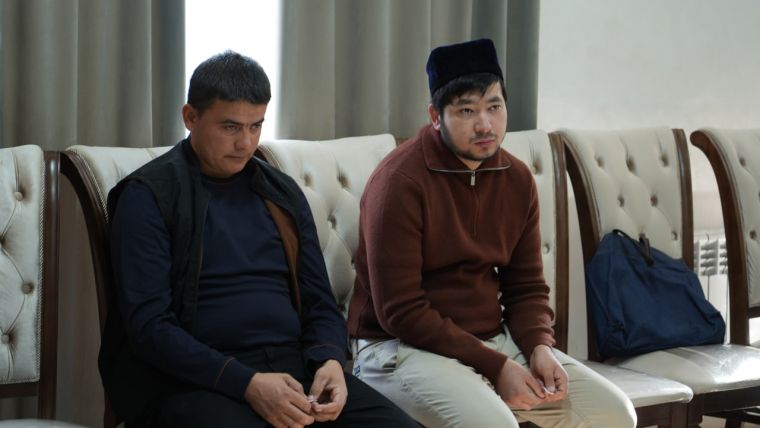
On October 29, the First Deputy Chairman of the Muslim Board of Uzbekistan, Homidjon Ishmatbekov, received citizens and listened to their appeals, complaints, and suggestions.
During the meeting, issues related to mosque conditions, the work of imams, Hajj and Umrah matters, family concerns, and requests for financial assistance were discussed in detail.
Participants seeking advice on family matters were provided with guidance and Sharia-based recommendations, while those in need of material support received assistance in accordance with the established procedures.
Citizens expressed gratitude and heartfelt prayers, noting the sincere attention and care shown during the meeting.
Indeed, easing the burdens of others and contributing to the resolution of their troubles is among the most virtuous deeds. As the Prophet Muhammad (peace and blessings be upon him) said:
“Whoever fulfills the need of his brother, Allah will fulfill his need. Whoever relieves a Muslim from a hardship, Allah will relieve him from one of the hardships of the Day of Resurrection.”
— Narrated by Imam al-Bukhari
Such public receptions are also being held every Wednesday across the country by the regional branches of the Muslim Board and in all mosques under the supervision of local imams.
Press Service of the Muslim Board of Uzbekistan


SHARE INFORMATION ON SOCIAL NETWORKS



 Iman
Iman  Prayer
  Fasting
  Zakat
Zakat  Haj
Haj  Qur`an
  Lessons of Islam
  Contact

