News
Popular Malaysian Artist Presents New Album Filmed in Uzbekistan in Kuala Lumpur
08.09.2026
87508
2 min.
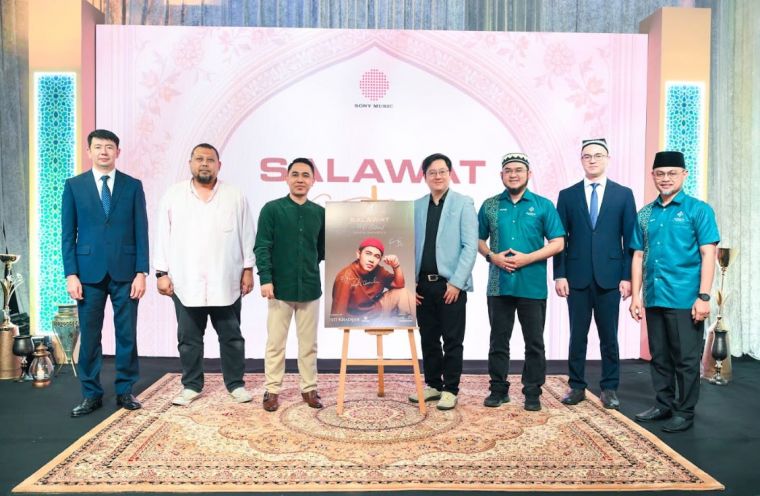
A presentation of the new music album “Salawat. The Beloved” by Hafiz Hamidun, a popular Malaysian singer, composer, and producer whose work enjoys a wide following among Muslim audiences across Southeast Asia, was held in Kuala Lumpur. The album was filmed in Uzbekistan, reports Dunyo IA correspondent.
In August this year, Hafiz Hamidun and his creative team visited Uzbekistan, where they filmed a series of music videos in Tashkent, Samarkand, and Bukhara Region. The filming took place at sites showcasing the country’s rich historical, cultural, and tourism heritage.
Representatives of leading Malaysian electronic and print media outlets attended the album’s premiere. Around 100 posts and media reports about the presentation of the project filmed in Uzbekistan were subsequently published on social media platforms.
The event also featured a photo exhibition by Hafiz Hamidun dedicated to Uzbekistan’s rich Islamic, historical, and cultural heritage.
According to the artist, the new album attracted the attention of more than 1.4 million viewers within a short period. This figure highlights the potential of modern media and creative projects to promote Uzbekistan’s cultural and tourism assets among audiences across Southeast Asia.
The project was implemented with the support of the Embassy of Uzbekistan and the Tourism Committee. Its objective was to raise awareness among Southeast Asian audiences of Uzbekistan’s reforms in the religious and educational spheres, as well as the country’s modern potential for pilgrimage tourism.
Hafiz Hamidun’s project represents not only an example of cooperation in music and the arts, but also a notable instrument of Uzbekistan’s cultural and tourism diplomacy in its relations with Malaysia and the ASEAN countries.
SHARE INFORMATION ON SOCIAL NETWORKS



 Iman
Iman  Prayer
  Fasting
  Zakat
Zakat  Haj
Haj  Qur`an
  Lessons of Islam
  Contact
