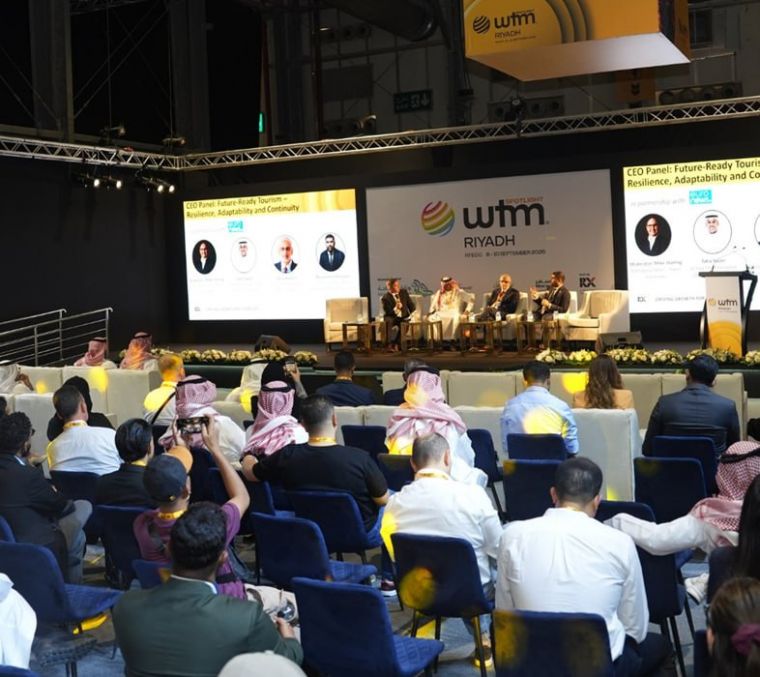
“WTM Spotlight Riyadh 2026” international tourism exhibition took place in the capital of Saudi Arabia, with the participation of representatives from the tourism industry of Uzbekistan, reports Dunyo IA.
Our country was represented at the exhibition by tourism companies “Asialuxe Travel”, “Zamin DMC” and “Bazar Travel”, which participated in the business program and held a series of meetings with representatives of the tourism business of Saudi Arabia and other nations.
“WTM Spotlight Riyadh” has emerged as a premier professional platform for engagement between the Saudi Arabian tourism market and international partners. The exhibition brought together representatives of tour operating businesses, destination management companies, the hospitality sector, the aviation industry, travel technologies and other industry fields. The event was attended by regional and international visitors, over 450 exhibitors and representatives from more than 30 countries.
Over the course of three days, representatives of Uzbek companies held business meetings and negotiations with Saudi tour operators, travel agencies, and other market participants. Meetings focused on the prospects for developing partnership programs, increasing the tourist flow from Saudi Arabia to Uzbekistan and establishing new joint tourism products.
Particular attention was paid to promoting Uzbekistan as an attractive destination for cultural, historical, family, premium, and bespoke tourism. Saudi partners were introduced to the tourism opportunities of Samarkand, Bukhara, Khiva, Tashkent and other regions of the country, historical heritage of the Great Silk Road, modern hospitality infrastructure, national cuisine, as well as capabilities for organizing tailored individual and group tour itineraries.
Representatives of the Uzbek tourism industry also discussed with their Saudi partners matters concerning visitor reception logistics, the development of specialized routes aligned with the preferences of travellers from the Gulf States and the further promotion of Uzbekistan's tourism potential in the Saudi Arabian market.
Participation of Uzbek tourism companies in “WTM Spotlight Riyadh 2026” provided an additional opportunity to expand direct contacts with representatives of the Kingdom's tourism business and explore new avenues of cooperation. Following the meetings, the parties expressed mutual interest in continuing business contacts and implementing joint projects aimed at increasing the reciprocal tourist flow between Uzbekistan and Saudi Arabia.



 Iman
Iman  Prayer
  Fasting
  Zakat
Zakat  Haj
Haj  Qur`an
  Lessons of Islam
  Contact